- Historical
- 2026-05-06
The wait is finally over. The Grand Egyptian Museum (GEM) stands as the largest archaeological museum in the world, a gleaming $1 billion limestone and glass masterpiece that serves as the definitive home for Egypt’s 7,000-year legacy.
Located just two kilometers from the Great Pyramids of Giza, the GEM is not just a building; it is a cultural revolution.
The Vision Where Architecture Meets the Pyramids
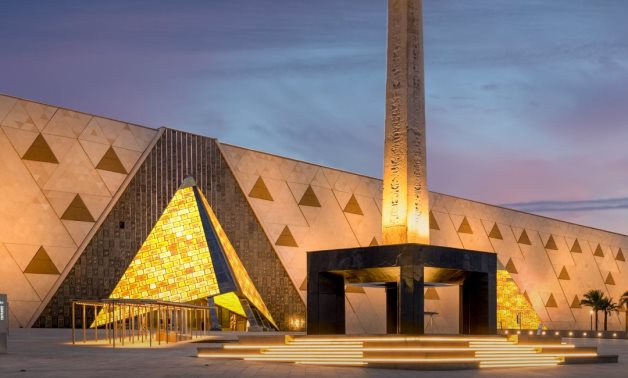
Designed by Heneghan Peng Architects, the museum’s design is a dialogue with the past. Its unique radial shape aligns perfectly with the three Pyramids of Giza.
The museum’s giant triangular facade is made of translucent alabaster, which glows softly at night, creating a visual bridge between the modern museum and the ancient plateau.
The Hanging Obelisk: Before you even enter the building, you are greeted by the world’s first "hanging" obelisk of King Ramses II. You can actually walk beneath it to see the pharaoh’s cartouche (signature) engraved on its base a perspective never seen for thousands of years.
The Grand Atrium Welcoming a King
As you step inside, you are welcomed by the colossal Ramses II Statue. This 3,200-year-old, 83-ton red granite giant was moved from Ramses Square in downtown Cairo to become the museum's silent guardian.
Following ancient engineering traditions, the museum was designed so that every year on February 21 and October 21, the sun shines directly on the face of the Ramses statue, mimicking the solar phenomenon at Abu Simbel.
The Grand Staircase: A Path Through Time
Rising from the atrium is the Grand Staircase, a 60-meter-long architectural wonder lined with 87 royal statues, sarcophagi, and architectural fragments. As you climb, you literally walk through time, moving from the Early Dynastic period toward the modern horizon, with the Great Pyramids framed perfectly through the museum’s floor-to-ceiling glass windows at the top.
The Crown Jewel: Tutankhamun’s Complete Collection
For the first time since its discovery in 1922, the complete tomb collection of King Tutankhamun is displayed in one place.
Spanning two dedicated galleries, the collection includes everything from his iconic 11kg solid gold mask to his ceremonial chariots, golden beds, jewelry, and even his childhood toys.
Unlike older displays, the GEM uses state-of-the-art lighting and digital storytelling to explain the boy king's life, his sudden death, and his journey into the afterlife.
Khufu’s Solar Boat: The Vessel of the Sun
The GEM is now the permanent home of the 4,500-year-old Solar Boat of King Khufu. This cedar-wood vessel, which was discovered buried in a pit next to the Great Pyramid, was painstakingly moved to a dedicated, climate-controlled pavilion within the GEM complex. It is the oldest intact ship in the world and represents the pinnacle of ancient Egyptian shipbuilding.
The Main Galleries: 12 Halls of History
Beyond the famous names, the museum features 12 main exhibition halls organized chronologically. They cover:
• The Prehistoric to Second Intermediate Period: The birth of civilization.
• The New Kingdom: The peak of imperial power (Ramses, Akhenaten, and Hatshepsut).
• Third Intermediate to Graeco-Roman Period: The fusion of cultures.
Ready to answer the call of the Pharaohs? Visit us at www.redrosetours.com to book your Egypt memorable trip.